
Seasonal Boat Care for Florida and Chesapeake Bay Owners
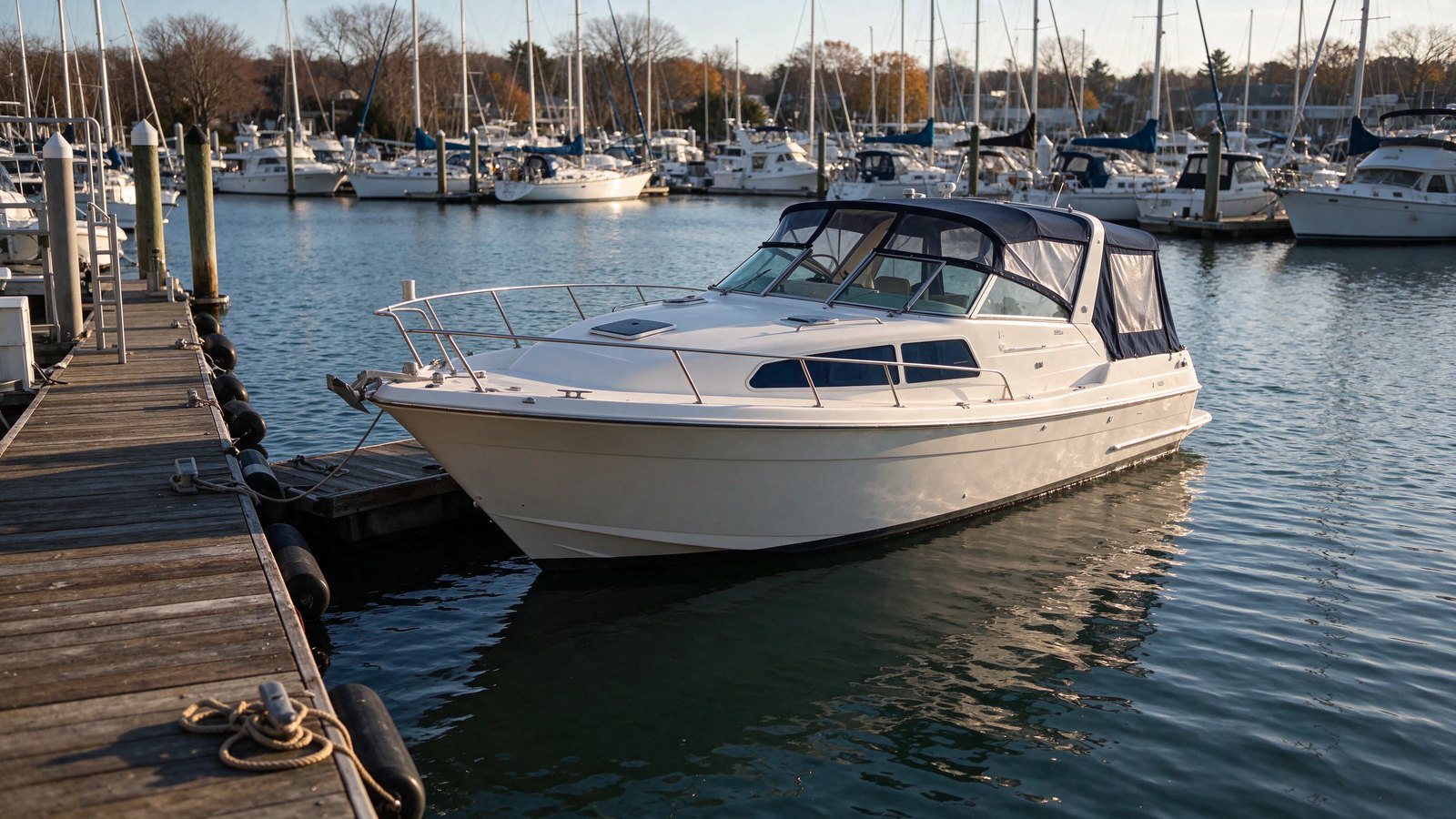
Seasonal boat care starts with a practical question: what will your boat be doing over the next few months? A Florida owner enjoying regular outings needs a different plan from a Chesapeake Bay owner preparing for extended winter storage. Neither plan should be based on the calendar alone.
Across Florida and Chesapeake Bay in Virginia and Maryland, consider the boat’s actual location, forecast exposure, equipment and storage arrangement. Florida’s longer boating season does not eliminate cold-snap preparation; BoatUS Foundation warns that occasional freezes can damage unprepared boats in temperate states, including Florida. [1]
Decide whether you are boating, storing or moving
Write down your intended use before booking work. Will the boat remain ready for frequent trips, sit unattended for weeks, move south or come ashore? Give your marine service provider the same information, including any planned changes in location.
A boat that is used occasionally can still contain vulnerable water-filled systems. Conversely, a fully winterized boat may need recommissioning before an outing. Ask which systems will be available afterward, and keep the service instructions aboard. Do not assume that running the propulsion engines protects the freshwater plumbing, generator or other equipment.
Assign responsibility for checking the boat while you are away. Confirm what the marina or yard actually provides rather than assuming inspections are included.
Compare afloat and ashore storage realistically
Chesapeake Bay winter boat storage is not simply a choice between convenience and cost. An afloat boat remains exposed to leaks, changing water levels, mooring loads and possible ice. A boat ashore needs appropriate support, drainage and protection from freezing. BoatUS notes that a boat surrounded by air can cool faster during a sudden freeze than one surrounded by water. [2] [3]
Discuss your particular slip or storage site with the operator. Ask about access, inspection arrangements, drainage and the response to heavy weather. For Chesapeake in-water storage, ask specifically about ice exposure and the facility’s approach to managing it.
Hauling is not an automatic substitute for winterization. Nor should a Florida boat kept on a lift be treated as protected from every weather hazard. Match the preparation to the vessel and its exposure, not just the storage label.
Build a system-by-system protection plan
Use the current owner’s manuals for the engine and onboard equipment. Winterization procedures differ among outboards, inboards, generators and cooling arrangements. Even a closed-loop, freshwater-cooled engine can have a separate raw-water circuit that needs attention. A generic checklist cannot identify every drain point or product requirement. [2]
Review the freshwater plumbing, water heater, head, shower sump, washdown, livewell and air-conditioning circuits where fitted. Emptying a tank alone does not prove that connected plumbing is protected; water can remain elsewhere in the system. Ask a qualified technician to identify the appropriate procedure and any compatibility limitations. [2]
Record what was done and what must be reversed before use. If winterizing fluids are required, follow equipment instructions and product labels. Arrange appropriate collection and disposal: a product described as “nontoxic” is not permission to discharge it freely into a marina. [2]
Keep fuel, bilges and electrical protection in view
Seasonal fuel care deserves more than adding a product and forgetting the tank. Check deck-fill seals and the condition of water-separating filters, following the engine’s service schedule. BoatUS Foundation identifies fill-cap leaks, contaminated fuel and vent-related entry among ways water can reach a fuel system. Follow the manufacturer and storage facility’s requirements rather than applying one tank-fill percentage to every boat. [1] [2]
For a boat remaining afloat, test automatic bilge pumps, float switches and alarms. Investigate unwanted water instead of relying on a pump to conceal a leak. An automatic system also needs an appropriate power supply; do not apply blanket advice to disconnect every battery. Have the battery and charger storage plan checked against the equipment instructions. [1] [3]
Keep access to those systems clear. A tidy cabin helps, but working protective equipment and regular checks matter more than appearance.
Inspect lines, covers and drainage after weather changes
Examine dock lines, chafe protection and fenders for the boat’s actual berth. Keep cockpit drainage paths clear and check that covers are supported, secured and suitably ventilated. A poorly supported cover can hold water rather than shed it. BoatUS recommends a strong, breathable, water-resistant cover and regular visits, including after heavy-weather events. [3]
For ashore storage, let qualified yard personnel handle support changes. Do not attach a cover to jackstands or support blocks. For afloat storage, have the correct seacock arrangements explained for your boat and intended use; “close every valve” is not a universal answer. [3]
Use each visit to look for changes: a shifted fender, pooled water, unusual bilge activity or damaged canvas. Address the cause, not just the visible symptom.
Adjust winter outings for water conditions
A comfortable afternoon ashore does not establish safe conditions on the water. Check the marine forecast and actual water conditions, allow for shorter daylight, wear a properly fitted life jacket and prepare suitable clothing for cold-water exposure. Share a float plan and carry reliable communications. The Coast Guard cautions that water temperatures can be dangerously low even on sunny days. [4]
These precautions matter to Florida owners continuing to boat as well as Virginia and Maryland owners taking occasional winter trips. Recheck which systems are operational before leaving the dock, particularly after winterization work.
Keep records useful for your next season—or sale
Save dated service invoices, inspection notes and photographs of relevant work. Identify unresolved issues clearly. Before recommissioning, review what was winterized and arrange the required checks rather than relying on memory.
If you plan to sell, organized records can help explain the boat’s maintenance history without promising a trouble-free vessel. SRQ Yacht Sales’ seller services include organizing vessel information, service history and photography for a clear listing. SRQ represents buyers and sellers across Florida’s Gulf Coast and the Chesapeake Bay region; specialist winterization and repairs belong with qualified service professionals.
Considering a different boat for the season ahead? Explore SRQ buyer representation, or contact SRQ Yacht Sales to discuss your buying or selling plans.